



Hi, I’m Aki, the person behind Sekai ni Okuru.
Sekai ni Okuru is a blog about moving between Japan and the rest of the world — international shipping, customs rules, and how people living overseas can get things from Japan when stores won’t ship abroad.
📋 In this guide
- How to use Buyee step by step, from account to delivery
- How the two-payment system, warehouse and free consolidation work
- What NOT to buy — items that get stopped at customs (our specialty)
- How to pick the right shipping method and avoid rookie mistakes
So you’ve decided to buy something from Japan — maybe a rare figure from Yahoo! Auctions, a bundle of trading cards from Mercari, or snacks you can’t find at home. You’ve heard Buyee is the way to do it, but the whole flow feels a bit mysterious: who pays whom, when, and how does your stuff actually get from a Japanese seller to your front door?
This guide walks you through how to use Buyee from start to finish. And because this blog specializes in international shipping and Japanese customs rules, I’ll also cover the part most tutorials skip entirely: which items are likely to get stopped at customs, and how to choose a shipping method that doesn’t waste your money. By the end, you’ll be able to order like someone who’s done this a hundred times. (Wondering if the service itself is trustworthy? I covered that in my honest review of whether Buyee is legit.)
How to Use Buyee: Ordering From Japan
First, the front half of the journey: setting up, finding your item, and understanding how the payments work. None of it is hard — but knowing the flow in advance saves you from the classic first-timer surprises.
Step 1: Create your account and set up payment
Head to Buyee’s site, switch the language to English if it isn’t already, and sign up with your email address (social logins are also available). Then register your shipping address and a payment method — major credit cards and PayPal are supported, which also gives you an extra layer of buyer protection on the payment side.
One tip: enter your address in the Roman alphabet exactly as it should appear on an international shipping label. Typos here are one of the most common causes of delivery trouble, and fixing an address after a package has shipped ranges from annoying to impossible.
A couple of small things worth knowing at this stage. Prices on Buyee are shown in yen, and your card company will convert them at its own exchange rate — so the final charge in your currency will wobble a little from any converter estimate. And while Buyee has mobile apps, I’d suggest doing your first order on the desktop site: the full interface makes the fees and options easier to see, and once you understand the flow, the app is fine for everyday hunting.
Step 2: Find your item — search or paste a URL
There are two ways to shop. You can search inside Buyee, which covers major Japanese marketplaces like Yahoo! Auctions, Mercari, Rakuten and more from one search bar. Or, if you’ve already found the item while browsing a Japanese site, you can often just paste the product URL into Buyee and it will pull up the listing for you.
Keep in mind the two big marketplace types behave differently. Mercari and Rakuten listings are fixed-price: you buy, done. Yahoo! Auctions is bidding: you place a bid through Buyee and wait for the auction to end, which means you might be outbid — and your money is only committed if you win. Auction sniping is a sport in Japan, so if you really want an item, don’t bid the absolute minimum at the last second.
| Marketplace | Type | Best for | Watch out for |
|---|---|---|---|
| Yahoo! Auctions | Bidding | Rare, vintage and bulk-lot collectibles | Auction end times (JST), condition grades |
| Mercari | Fixed price (individuals) | One-off secondhand bargains | Good items sell out in minutes |
| Rakuten / online shops | Fixed price (stores) | New and official merchandise | Domestic shipping cost varies by shop |
One vocabulary word will save you real money: 「ジャンク」(junk). On Japanese marketplaces it means “sold as-is, possibly broken, no guarantees” — beloved by tinkerers, heartbreaking for everyone else. Machine-translate the item description before you buy, and if a price looks too good to be true on a camera or console, check for that word first.

Step 3: Understand the two-payment system
This is the single most confusing thing for first-timers, so let’s make it crystal clear: you pay twice, at two different moments.
Buyee’s two payments
- Payment 1 — when you order: the item price, Buyee’s service fee, and domestic shipping (the seller sending it to Buyee’s warehouse in Japan)
- Payment 2 — when you ship: international shipping from the warehouse to your country, plus any optional services
Why two payments? Because international shipping can’t be calculated until your items physically arrive at the warehouse and get weighed. So don’t panic when your first checkout doesn’t include overseas shipping — that bill comes later, and budgeting for it in advance is the mark of a smart buyer.
A rough mental model: for a typical small figure or a few packs of cards, expect the second payment to land somewhere between the price of the item and double it, depending on your country and how fast you want it. That sounds scary until you remember the alternative — for Japan-exclusive items, the comparison isn’t “local store price,” it’s “not available at any price.” Frame it that way and the math usually still works out happily.
Step 4: Know what NOT to buy (our customs specialty)
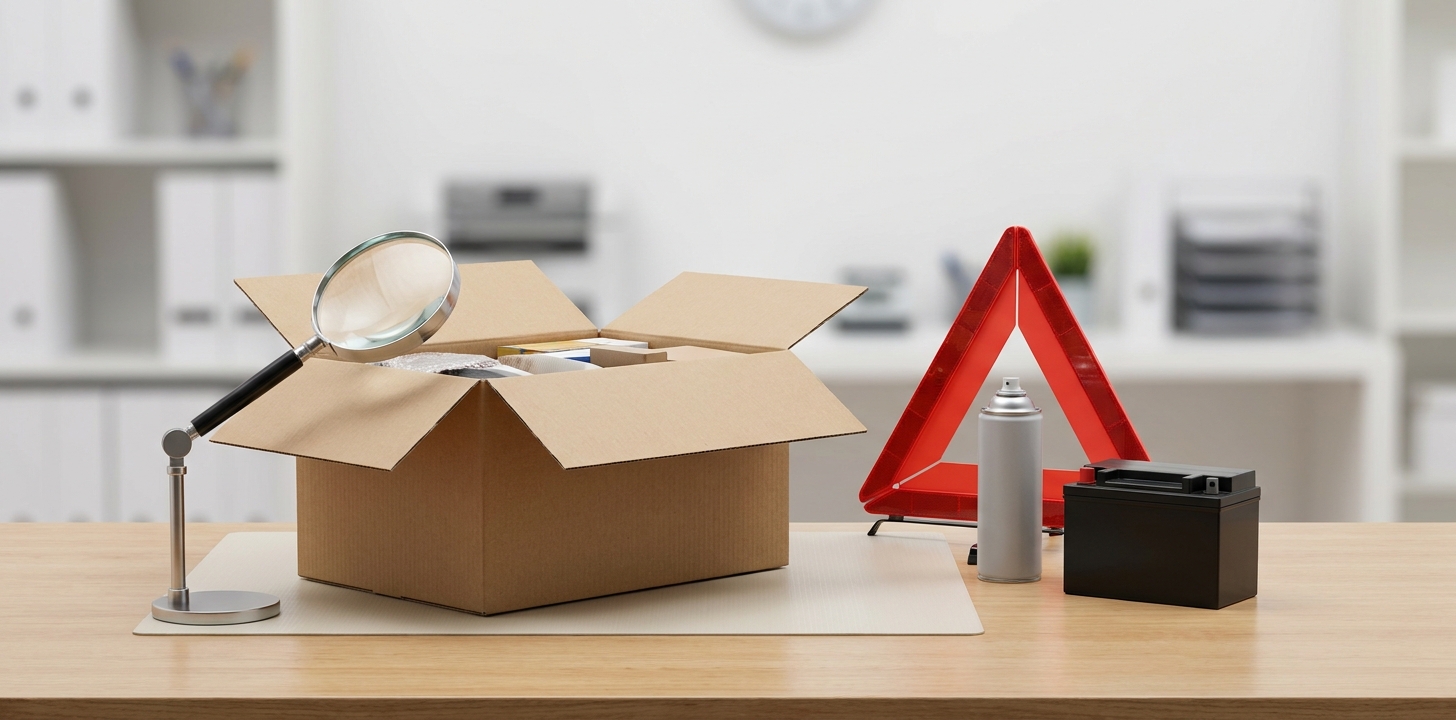
Here’s the part almost every Buyee tutorial skips, and it happens to be this blog’s home turf: some items will sail through Japanese checkout and then die at customs. We maintain a database of prohibited and restricted items across 17 countries for our shipping-check tool, and the same patterns show up again and again.
High-risk categories for international shipping
- Food containing meat extract — many instant noodles and snacks contain pork or chicken extract, which is prohibited or restricted in countries like the US and Australia
- Lithium batteries — power banks and some electronics face strict air-transport rules
- Aerosols, perfumes and nail polish — flammable or pressurized items are often excluded from air shipping
- Alcohol — quantity limits, age rules and extra duties vary by country
- Anything resembling counterfeit brand goods — customs can seize these outright
Buyee itself also refuses certain items for shipping, but the final word always belongs to your country’s customs. A quick check of your local customs rules before you order — especially for food — can save you the heartbreak of a seized package. When in doubt, choose plant-based snacks over meat-flavored ones; it’s the single most effective trick for food orders.
Step 5: Track your order to the warehouse
After you order, the seller ships your item to Buyee’s warehouse in Japan. You can watch each item’s status on your My Page — ordered, shipped by seller, arrived at warehouse. Fixed-price items usually arrive within a few days to a week; auction items depend on the seller’s speed.
When a package is registered at the warehouse, two useful things happen. First, you’ll see its actual weight — which means you can start estimating international shipping realistically instead of guessing. Second, the storage clock starts for that package. If a listing photo left you nervous about an item’s condition, this is also the point where optional services like protective packing come into play for fragile purchases.
Beyond that, nothing is required from you at this stage except patience. The important clock starts ticking now though, so let’s talk about the warehouse rules — this is where real money can quietly leak if you don’t know the system.
How to Use Buyee: Shipping to Your Door
Your items are sitting in a warehouse in Japan. Now come the decisions that determine how much you pay and how safely everything arrives: storage, consolidation, and shipping method. This is where a little knowledge pays for itself.
The warehouse rules: 30 days free, 90 days max
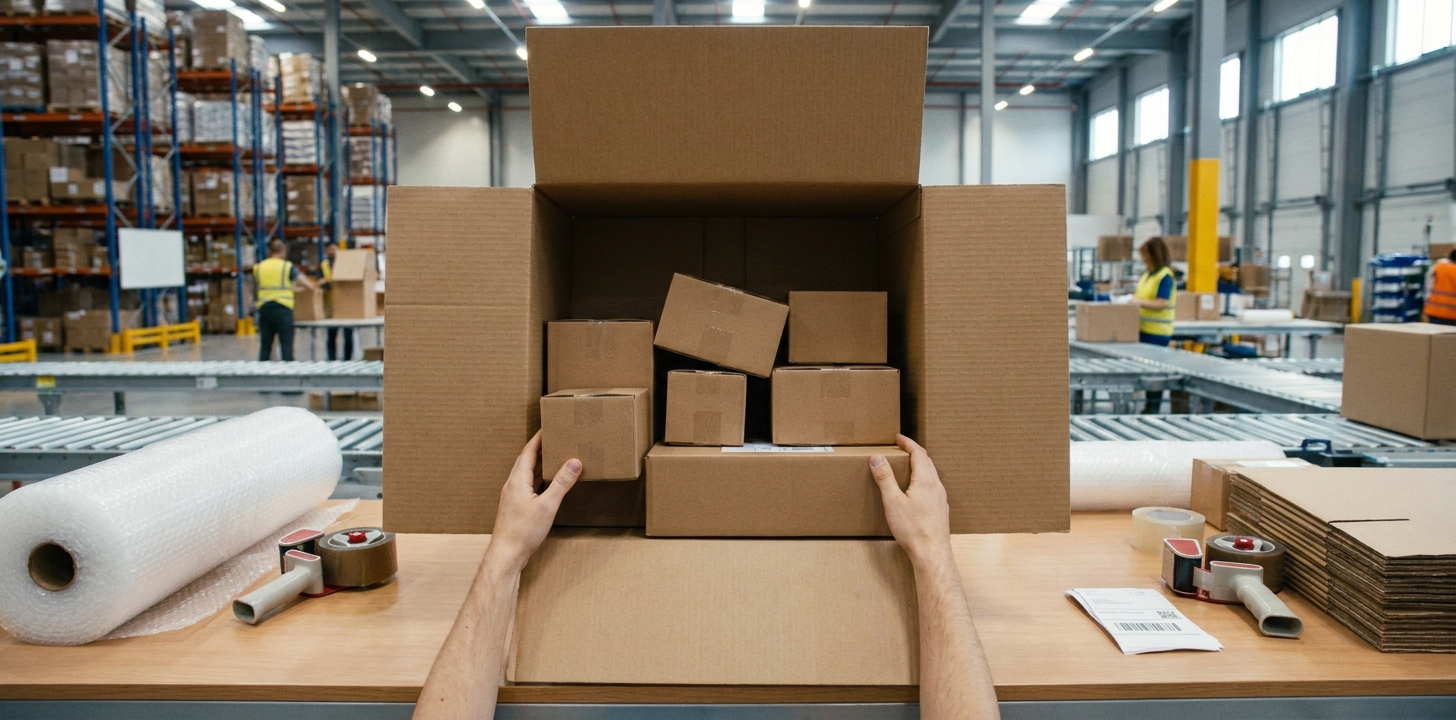
Buyee stores your packages free for 30 days from the day each one arrives at the warehouse. After that, a storage extension fee is charged per day, based on package weight. And here’s the deadline that actually matters: packages not shipped within 90 days are disposed of. Not returned — disposed.
So treat 30 days as your practical planning window. If you’re collecting several auction wins into one shipment, keep an eye on the arrival date of your first package, not your last. One nice detail: while a consolidation request is being processed, storage days aren’t counted against you.
Here’s what that looks like in practice. Say you win an auction on the 1st and it reaches the warehouse on the 4th — your free storage runs to early next month. If you’re still hunting for two more pieces of the same collection, you have roughly three weeks of comfortable hunting time before that first package starts costing you daily fees. Plan your buying sprees in waves that fit inside the window, and you’ll never pay a yen of storage.
Consolidation: one box, one shipping fee
If you’ve bought several items, package consolidation is the biggest money-saver in the entire Buyee system — and it’s been free since late 2022. The warehouse combines your separate packages into one box, so you pay international shipping once instead of three or five times.
Consolidation tips from experience
- Apply only after all items you want combined have arrived at the warehouse
- Fragile or oddly shaped items (guitars, golf clubs) may be excluded for safety
- Original seller boxes are discarded and items repackaged — collectors, request protective packing for boxed figures if the outer box matters to you
- Combining very high-value orders can raise customs duties and inspection risk — sometimes two medium boxes beat one expensive one
The underrated power move: consolidation works across marketplaces. An auction win from Yahoo!, a Mercari find and a Rakuten order can all meet in the same box, which is exactly how collectors turn five scattered purchases into one reasonable shipping bill. This is the feature that makes bulk hunting from overseas genuinely economical.
Choosing the shipping method wisely
When you hit “Ship Package,” you’ll choose a shipping method, and this choice often matters more than everything else combined. As a shipping-focused blog, here’s the honest decision framework rather than a wall of courier names:
| Your situation | Best approach | Why |
|---|---|---|
| Valuable or fragile items | Fast courier options with full tracking and insurance | Speed reduces handling; tracking and coverage protect the downside |
| Heavy but not urgent | Surface (sea) mail | Weeks slower, dramatically cheaper for weight — perfect for books and bulk snacks |
| Small and cheap | Economy airmail options | Low cost, acceptable tracking for low-stakes orders |
Two universal rules: always pick an option with tracking for anything you’d be sad to lose, and remember that dimensional weight counts — a big fluffy plushie can cost more to ship than a small heavy figure. Available methods and rates change, so compare the options Buyee shows you at checkout rather than relying on any blog’s old numbers (mine included).
Customs, duties and receiving your package
One thing that surprises first-timers: you are the importer. Import duties and taxes are charged by your own country, separately from anything you paid Buyee, and they’re typically collected by the courier at or before delivery. Whether you owe anything depends on your country’s duty-free threshold and the declared value of your shipment.
How much will you owe? It depends on your country’s duty-free threshold, the item category, and the declared value — and be aware that many countries have been tightening their low-value import rules in recent years, so don’t assume a small order is automatically duty-free the way it might have been a while ago. On top of duties, couriers sometimes add a customs-handling fee of their own. None of these amounts go to Buyee; they’re between you, your government, and the courier.
Resist any temptation to ask for undervalued declarations — it’s illegal, it voids insurance, and customs officers have seen every trick. Declare honestly, keep your order receipts, and if a package stalls in customs, the tracking number plus those receipts will solve most problems. After that, it’s just the fun part: the knock on the door.

Common questions about using Buyee
Q. Can I cancel an order?
A. Generally no — once Buyee has purchased from the seller on your behalf, the purchase is final, and auction wins are binding. Double-check listings (especially item condition notes) before you commit.
Q. How long can I leave items at the warehouse?
A. 30 days free, then daily storage fees; at 90 days packages are disposed of. Ship well before the 90-day wall.
Q. Is consolidation always worth it?
A. Almost always for 2+ packages, since the service is free and you pay one shipping fee. The exceptions: fragile items that can’t be combined, or very high combined values that trigger extra customs scrutiny.
Q. What happens if I lose an auction?
A. Nothing bad — you simply don’t pay for the item. Your deposit or authorization is released, and you can bid on the next one.
Q. My item arrived damaged. What now?
A. Contact Buyee support with photos as soon as possible. Outcomes depend on the shipping method’s insurance coverage — which is exactly why I recommend insured, tracked shipping for anything valuable.
Final tips: how to use Buyee like a pro
Let’s wrap up with the checklist I’d hand a friend using Buyee for the first time.
- Expect two payments: item + fees first, international shipping after arrival at the warehouse.
- Check customs rules before buying — meat-extract foods, batteries, aerosols and alcohol are the usual troublemakers.
- Wait for all items, then use free consolidation to pay shipping once.
- Mind the clock: 30 days free storage, disposal at 90.
- Choose tracked (and for valuables, insured) shipping; use surface mail for heavy, non-urgent hauls.
That’s the whole game. The first order feels like a leap of faith; by the second, it’s just online shopping with a slightly longer delivery bar. If you’re still weighing whether the service deserves your trust, my full Buyee review covers the pros, cons and real user feedback honestly. Happy hunting — Japan’s marketplaces are a deep, wonderful rabbit hole.
This guide reflects publicly available information as of 2026. Fees, storage rules, shipping options and customs regulations change over time and vary by country. Always confirm current details on Buyee’s official site and your local customs authority before ordering — figures here are general guidance, not a guarantee.